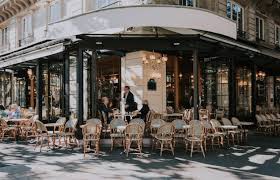
The quest for the best cafe of all time transcends mere coffee appreciation; it represents a global pilgrimage for those who cherish ambiance, craftsmanship, and the perfect fusion of flavor and atmosphere. This title isn’t bestowed upon a single establishment but is earned by legendary spots that have mastered the alchemy of exceptional beans, skilled baristas, inviting spaces, and an intangible soul that captures the heart of a city or an era.
the historic coffee houses of Vienna that birthed intellectual revolutions to the minimalist third-wave temples of Tokyo and the vibrant neighborhood gems of Melbourne, the best cafe ever is a concept that sparks endless, delightful debate among connoisseurs and casual drinkers alike. This guide embarks on a comprehensive journey to explore the defining characteristics, iconic destinations, and sensory experiences that collectively paint a picture of global cafe perfection.
To truly identify a contender for the greatest cafe in history, one must consider a holistic set of criteria that goes beyond a simple espresso shot. The quality of the coffee is paramount, encompassing bean sourcing, roasting philosophy, and brewing precision. The skill and knowledge of the baristas transform this quality into an art form.
Furthermore, the ambiance—the design, comfort, and unique character of the space—creates the stage for the experience. Historical significance, cultural impact, and consistent innovation also weigh heavily. A cafe that can balance tradition with progress, offering a sense of community while serving a life-changing cup, enters the rarefied air of legend. These are places that don’t just serve coffee; they create memories, inspire creativity, and become landmarks in their own right, shaping the very culture of their surroundings.
The global landscape of exceptional cafes is rich and diverse. In the Americas, the pioneering spirit of specialty coffee has given rise to iconic institutions. Europe offers centuries-old traditions in elegant settings. Asia presents meticulous craftsmanship and innovation, while Australia has forged its own distinct, vibrant cafe culture that influences the world. Each region contributes unique chapters to the story of the ultimate cafe experience. This exploration will delve into these world-renowned hubs, analyze the elements of their success, and celebrate the establishments that have, through a combination of passion and excellence, etched their names into the hall of fame for coffee lovers everywhere, defining what it means to be a timeless destination for the perfect brew.
The Universal Criteria for Cafes of Legendary Status

The foundation of any world-class cafe rests on an uncompromising commitment to coffee quality. This journey begins at origin, with legendary cafes often developing direct, ethical relationships with farmers to secure the finest specialty-grade Arabica beans. The roasting process is treated with equal reverence, whether done in-house by a master roaster or in partnership with a renowned local roastery.
goal is to highlight the bean’s inherent flavor profile—its terroir—whether it’s the floral notes of a Yirgacheffe or the chocolatey depth of a Brazilian Santos. Every brewing method, from the pressure-driven artistry of an espresso machine to the slow precision of a pour-over, is executed with scientific rigor and artistic flair, ensuring each cup served is a peak expression of the coffee’s potential.
Beyond the liquid in the cup, the human element defines a truly iconic cafe. Extraordinary baristas are the heart and soul of these establishments. They are not just servers but custodians of craft: skilled technicians, knowledgeable guides, and often, local celebrities. Their expertise allows them to calibrate grind size and water temperature by feel, to create latte art that borders on the sublime, and to passionately explain the story behind each single-origin offering.
level of dedication creates a theater of coffee-making that enhances the customer’s experience, building trust and a sense of participation in something special. The interaction with a master barista at a top-tier coffee shop can be educational and transformative, turning a simple transaction into a memorable encounter that deepens one’s appreciation for the craft.
The physical space of a legendary cafe is its third essential pillar. Ambiance is the silent language that communicates the cafe’s philosophy. It can be the worn wooden tables and book-lined walls of a historic European coffeehouse, the clean, minimalist lines of a Japanese kissaten, or the lush, plant-filled industrial aesthetic of a Melbourne hotspot. Comfort, acoustics, lighting, and layout are all carefully considered to facilitate the desired experience—be it focused work, lively conversation,
or quiet contemplation. This environment, coupled with a consistent and warm service ethos, fosters a powerful sense of community and belonging. It’s this magical combination—flawless coffee, expert craft, and an enchanting space—that elevates a cafe from a mere business to a cultural institution and a strong candidate for the best cafe of all time.
The European Legacy: Where Cafe Culture Was Born
The story of the modern cafe is inextricably linked to Europe, where these establishments evolved from exotic trading posts to the intellectual and social engines of society. In Vienna, cafes like Café Central and Demel are living museums of a grand tradition. Stepping into Café Central, with its soaring arches and marble columns, is to walk into the late 19th century, where figures like Trotsky and Freud once debated.
, the coffee—always served on a silver tray with a glass of water—is a ritual. The Einspänner (coffee with whipped cream) or Melange (similar to a cappuccino) are perfect accompaniments to a slice of legendary Sachertorte. These Viennese institutions set the early standard for the cafe as a “second living room,” a place of comfort and intellectual exchange that makes them perennial contenders for the title of most historic and atmospheric cafe.
Crossing the Alps into Italy, the cafe culture takes on a different, more energetic rhythm. In cities like Rome and Milan, the century-old Caffè Greco and the majestic Caffè Gambrinus in Naples represent the artistic soul of Italian coffee. However, the Italian philosophy is perhaps best embodied in the local neighborhood espresso bar.
Standing at a polished marble counter for a swift, perfect shot of espresso is a daily sacrament. The barista’s speed and consistency, the rich crema on the coffee, and the communal buzz of the morning crowd create an authentic, unreplicable experience. This focus on the pure, unadulterated essence of espresso, served with effortless mastery, establishes a different kind of legend—one based on democratic access to perfection, making Italy home to some of the best espresso experiences on the planet.
France and Turkey contribute further foundational chapters to this European legacy. The grand boulevard cafes of Paris, such as Les Deux Magots and Café de Flore in Saint-Germain-des-Prés, are synonymous with literary and philosophical history, having hosted Hemingway, Sartre, and de Beauvoir. Their terraces are stages for Parisian life. Meanwhile, in Istanbul, the tradition of the Turkish coffeehouse dates back to the Ottoman Empire. The preparation of inky,
unfiltered coffee in a cezve, served with a glass of water and Turkish delight, is a ceremonial act recognized by UNESCO. These diverse European traditions—Viennese grandeur, Italian efficiency, Parisian intellectualism, and Turkish ritual—collectively built the very concept of the cafe, establishing timeless benchmarks for ambiance, social function, and culinary tradition that continue to inspire the search for the greatest cafe ever.
The New World Pioneers: Innovation and the Third Wave
The late 20th and early 21st centuries witnessed a seismic shift in global coffee culture, driven largely by pioneers in the United States and Australia. This “Third Wave” movement re-conceptualized coffee as an artisanal product akin to fine wine, emphasizing transparency, sustainability, and brewing precision. In the United States, cities like Seattle, Portland, and New York became laboratories for this revolution. Establishments like Stumptown Coffee Roasters (Portland) and Intelligentsia Coffee (Chicago) were not just cafes; they were vertically integrated roasteries that championed direct trade, introduced lighter roast profiles to highlight origin characteristics, and trained a new generation of fanatical baristas. They turned the cafe counter into a stage for pour-over demonstrations and espresso tastings, fundamentally changing consumer expectations.
San Francisco’s Blue Bottle Coffee became an icon of this minimalist, quality-obsessed ethos. Their original kiosk at a farmer’s market, serving coffee within 48 hours of roasting, made a manifesto of freshness. Their sleek, designed spaces focused all attention on the brewing process, whether it was a meticulously timed Japanese-style siphon pot or a perfectly symmetrical cappuccino. This scientific approach, combined with an almost reverent presentation,
.created a new paradigm for what a modern world-class cafe could be. It was an experience centered on purity and education, attracting a clientele that appreciated nuance and story. These American pioneers proved that a cafe could be a global brand and a local hub for craft, setting new, influential standards that resonated worldwide.
Parallel to this American movement, Australia (and particularly Melbourne) was crafting its own, equally influential version of cafe excellence. Melbourne’s cafe scene is less about minimalist purity and more about a vibrant, holistic lifestyle. A top-tier Melbourne cafe is typically a bustling, creative space where exceptional coffee is seamlessly paired with innovative, restaurant-quality food. The flat white—an Aussie invention—is the star beverage: velvety microfoam over a double ristretto shot.
Cafes like Proud Mary in Collingwood or the legendary Auction Rooms in North Melbourne function as all-day community centers. They feature expertly curated single-origin menus, in-house roasting, and menus that champion local produce. This synthesis of world-leading coffee, outstanding food, and laid-back but stylish ambiance created a model that has been eagerly exported, making Melbourne a mecca for anyone seeking the ultimate all-day cafe experience.
Asian Excellence: Precision, Tradition, and Modern Fusion

In Asia, cafe culture has developed with a distinctive focus on meticulous precision, deep respect for tradition, and a fearless embrace of innovation. Japan stands as a paramount example, with its kissaten (traditional coffee shops) representing one of the most refined cafe experiences on earth. In Tokyo, places like Café de l’Ambre in Ginza, open since 1948, specialize in aged coffees, some beans resting for decades before being brewed to order using siphon pots.
atmosphere is one of quiet, reverential calm, with patrons often sitting in silence to fully appreciate the complex, layered flavors of a single cup. This unwavering commitment to a singular vision, executed with monastic focus over generations, creates a profoundly unique and memorable experience that stands outside of time.
Alongside these traditional havens, Japan and South Korea have also been at the forefront of the modern specialty coffee movement. Tokyo’s Omotesando Koffee (now Koffee Mameya) redefined minimalism, operating from a tiny, box-like space where baristas, dressed in lab coats, acted as coffee sommeliers, offering personalized consultations. In Seoul, a dynamic cafe scene flourishes in neighborhoods like Ikseon-dong and Hongdae, where cafes are often architectural marvels set in traditional hanok buildings or sleek multi-story spaces. These establishments pair impeccable pour-overs and espresso with stunning visual design, treating the visit as a full sensory event. The Asian approach often merges extreme technical skill with aesthetic beauty, creating spaces that feel both cutting-edge and deeply considered.
Southeast Asia adds its own vibrant and flavorful chapter to the story. In cities like Hanoi, the humble egg coffee—a rich, sweet concoction of coffee, sugar, and whipped egg yolk—has turned cafes like Café Giảng into institutions. In Bangkok, cafes may specialize in locally grown Doi Chang or Doi Tung beans from northern Thailand, serving them in stylish, air-conditioned escapes from the bustling streets. Meanwhile, in Taiwan,
the global bubble tea phenomenon began in tea shops that are central to social life. Across the continent, from the ceremonial precision of a Kyoto drip to the sweet, strong kopi of Singapore, Asian cafes demonstrate that the path to being among the best cafes ever can be found through mastering a deep-rooted local tradition or through inventing an entirely new, globally beloved format, all executed with impeccable attention to detail.
Beyond the Brew: The Elements of an Unforgettable Cafe Experience
While coffee is the undisputed star, the supporting cast is crucial in composing a legendary cafe experience. A transformative food program is no longer an afterthought but a central pillar. The best cafe of all time often features a kitchen that rivals a standalone restaurant. This could be the perfected simplicity of a buttery, flaky croissant from a Parisian boulangerie-café, the innovative avocado toast and grain bowls of a Melbourne eatery, or the exquisite kaneelbroodjes (cinnamon buns) served in Amsterdam’s Scandinavian-style cafes. The food must complement, not compete with, the coffee, using high-quality, often local ingredients to create a harmonious gastronomic duo that encourages patrons to linger for hours.
The auditory and olfactory landscapes of a cafe are subtle yet powerful shapers of atmosphere. The soundtrack—whether it’s a curated playlist of jazz, ambient electronica, or classical music—sets an emotional tone without intruding on conversation. More fundamentally, the symphony of sounds itself becomes part of the charm: the rhythmic thwump of the portafilter, the gentle hiss of the steam wand, the murmur of conversation, and the clinking of ceramic. Similarly, the aroma is the cafe’s signature scent—a complex bouquet of freshly ground coffee, steamed milk, baked goods, and perhaps the earthy note of polished wood. This multisensory immersion is what makes the environment feel authentic and alive, turning a visit into a vivid memory.
Finally, the most intangible yet vital element is the sense of community and soul. A legendary cafe often becomes a neighborhood anchor, a place where the baristas know regulars by name and their usual order. It may host local art on its walls, sell beans from nearby roasters, or provide a welcoming “third place” for people to work, read, or connect.
social fabric is what transforms a business into an institution. Historical cafes carry the weight of the artists and thinkers who frequented them; modern ones foster new connections. This ability to be both a sanctuary for the individual and a hub for the community, to feel both timeless and of its moment, is the final, defining quality that separates a very good cafe from a truly great one, a genuine contender for the most beloved and memorable cafe experience.
The Digital Age and the Future of Iconic Cafes
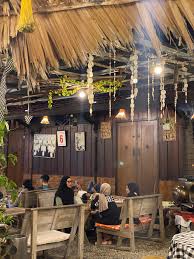
The rise of the digital age and social media has profoundly impacted how cafes are discovered, experienced, and celebrated. Platforms like Instagram have turned aesthetically striking cafes into global destinations overnight. A visually stunning interior, a perfectly layered matcha latte, or a unique architectural feature can attract visitors from around the world, making “Instagrammability” a tangible factor in a cafe’s success. This has encouraged incredible design innovation but also places new pressures on establishments to be photogenic. The best modern cafes skillfully balance this visual appeal with substantive quality, ensuring they are destinations for the coffee and the experience, not just the photo opportunity. They understand their digital presence is an extension of their brand.
Technology is also reshaping operations and customer interaction. Apps for pre-ordering, subscription services for home delivery of beans, and detailed digital menus explaining origin stories are now commonplace. Some avant-garde cafes experiment with blockchain for bean traceability or use AI to optimize roast profiles. However, the ultimate cafe experience of the future will likely be defined by a “high-tech, high-touch” philosophy. The human connection—the conversation with the barista, the warmth of service—will remain irreplaceable. The cafes that endure will be those that use technology to enhance efficiency and education (like QR codes linking to farmer profiles) while doubling down on the authentic, human-centric hospitality that has always been at the core of great cafe culture.
Looking forward, the concept of the best cafe ever will continue to evolve alongside global trends. Sustainability will move from a talking point to a non-negotiable operational standard, encompassing carbon-neutral roasting, zero-waste initiatives, and full-circle composting. Diversity and equity in the coffee supply chain will become more central to a cafe’s ethos. Furthermore, the fusion of concepts will accelerate: cafes as co-working spaces,
as evening wine bars, as galleries, or as wellness hubs offering adaptogenic lattes. The timeless cafes of the future will be those that can adapt to these changes without losing their core soul. They will be places that continue to champion extraordinary coffee, foster genuine community, and provide a consistent sanctuary from the pace of modern life, thereby writing the next chapter in the endless, delightful search for perfection in a cup.
Crafting Your Personal Pilgrimage to Cafe Perfection
The search for the best cafe of all time is, ultimately, a deeply personal journey. Your perfect cafe might be the one around the corner where they remember your name, not a famed institution across the globe. The true joy lies in developing your own criteria and embarking on your own explorations. Start by identifying what you value most: Is it the absolute pinnacle of espresso technicality? A cozy nook for reading? A vibrant space for socializing? A deep connection to coffee’s origin story? Use these preferences as a compass. Explore local roasteries and neighborhood spots with high ratings and authentic reviews. Don’t hesitate to ask baristas for recommendations—their passion is often the best guide to hidden gems.
When you visit a highly-touted cafe, engage all your senses. Observe the care in the preparation. Listen to the sounds of the space. Taste the coffee mindfully, noting its acidity, body, and flavor notes. Evaluate the ambiance: Do you feel comfortable and inspired? Judge the service: Is it knowledgeable and welcoming? Keep a mental or physical journal of your experiences. What made a particular visit memorable? Was it a specific drink, a conversation, or the feel of the space? Over time, you’ll assemble a personal catalog of what constitutes your ideal cafe experience. This process of discovery is itself a rewarding ritual, deepening your appreciation for the craft and culture of coffee.
Remember that the ultimate cafe is not a static title held by one place forever. It is a living ideal that exists in many forms across the world and can even change for you over time. The historic cafe in Vienna offers one kind of perfection rooted in time-honored tradition. The minimalist bar in Tokyo offers another, focused on purity and precision. The sunny, food-focused terrace in Melbourne offers a third, centered on lifestyle and community. Celebrate this diversity.
Let your personal quest be guided by curiosity rather than a definitive destination. The greatest reward is the journey itself—the countless perfect moments of pause, connection, and sensory pleasure discovered in cafes around the corner and across continents, each one adding to your own ever-evolving definition of the best cafe experience imaginable.
Disclaimer: This article presents a generalized exploration of global cafe culture and does not constitute specific reviews or endorsements of individual businesses. Cafe quality, menus, and ownership can change. Readers are encouraged to conduct their own research for the most current information.
Cafe of All Time” bisa merujuk pada kafe legendaris seperti Cafe Batavia di Jakarta yang menawarkan suasana kolonial klasik, atau kafe bersejarah tertua di dunia seperti Tahmis Kahvesi di Turki, atau bisa juga kafe modern terbaik di dunia yang sering masuk daftar seperti Toby’s Estate (Sydney) atau Anomali Coffee (Indonesia). Untuk pengalaman lokal di Jakarta, ada juga Kedai Kopi Es Tak Kie atau kafe-kafe unik lain dengan nuansa sejarah dan modern.
Kafe Legendaris di Jakarta (Nuansa Sejarah)
- Cafe Batavia: Terletak di Kota Tua, bangunan bersejarah dengan dekorasi vintage dan pemandangan Taman Fatahillah, menyajikan menu Indonesia, Tiongkok, Barat.
- Kedai Kopi Es Tak Kie: Berdiri sejak 1927 di Glodok, terkenal dengan es kopi susu legendaris dan hidangan lengkap (kwetiau, mi).
- Lara Djonggrang: Restoran/kafe Tugu Group dengan dekorasi kuno dari berbagai negara, menawarkan masakan Indonesia otentik seperti Bebek Betutu.
Kafe Modern Terbaik (Peringkat Dunia/Lokal)
- Anomali Coffee: Masuk daftar 100 kafe terbaik dunia, dengan kualitas kopi dan inovasi yang diakui.
- Toby’s Estate: Kedai kopi dari Sydney yang menduduki peringkat teratas dalam daftar 100 Kedai Kopi Terbaik Dunia (2025).
Untuk Pengalaman Unik di Jakarta
- Six Ounces Coffee: Memiliki suasana Bali vibe dengan desain rumah adat yang cantik di area Kelapa Gading.
- Teras Rumah Nenek: Suasana pedesaan asri dengan halaman luas dan masakan Nusantara, cocok untuk bersantai.
Pilihan “Cafe of All Time” sangat tergantung pada preferensi Anda, apakah mencari sejarah, kopi terbaik, atau suasana unik.